
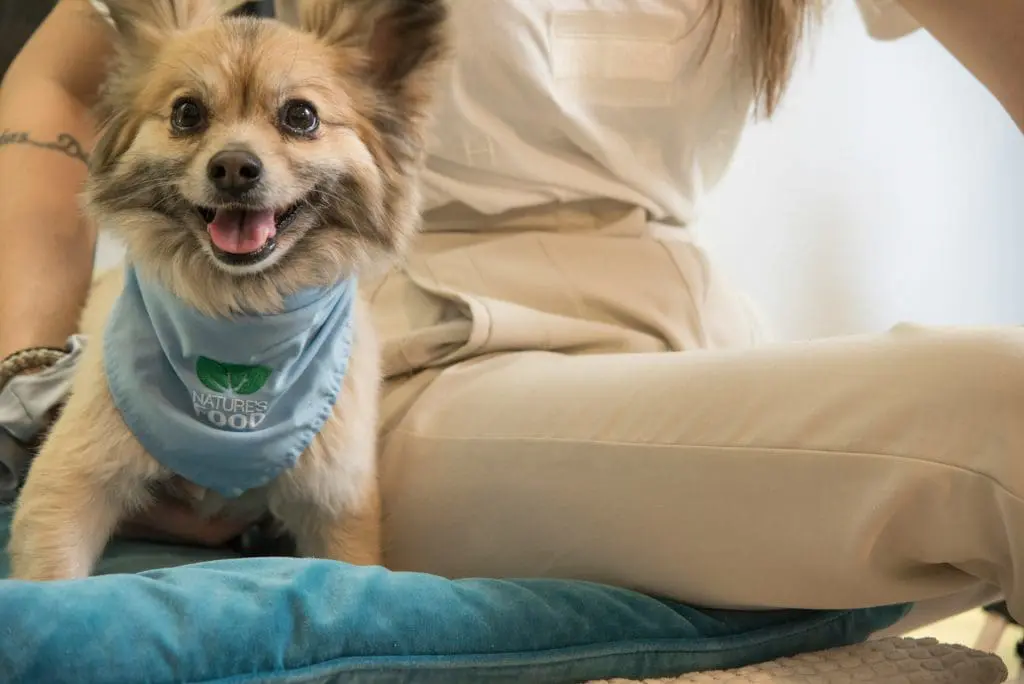
Sunshine, trail walks, and patio time—Scottsdale pets live the good life. But there’s one routine that too often gets skipped: professional pet dental checkups. Just like people, dogs and cats develop plaque, tartar, gum disease, painful fractures, and infections. The difference? Our pets are experts at hiding discomfort. Regular oral exams with your veterinarian (ideally a veterinary dentist) are the single best way to catch problems early, saving your pet pain and saving you money.
Hidden Disease is Common and Costly if Missed
By age three, most dogs and cats have some degree of periodontal (gum) disease. It starts silently: plaque hardens into tartar at the gumline, bacteria inflame the tissues, and bone around the tooth slowly dissolves. Left unchecked, that inflammation can cause loose teeth, jaw pain, facial swelling, and oral infections that may affect overall health. Advanced cases require extractions, bone grafting, or other surgical care, treatments that are far more expensive (and stressful) than early prevention.
Routine dental checkups spot these issues when they’re small: a pocket beginning to form, a chipped premolar, a resorptive lesion in a cat, or a painful root exposed under an innocent-looking stain. Addressing problems early often means simpler procedures, fewer anesthetic events, faster recovery, and lower bills.
What Happens at Professional Pet Dental Checkups in Scottsdale
A complete oral health assessment and treatment (COHAT) includes:
- Full-mouth exam: Your vet evaluates gums, tongue, palate, and each tooth’s crown for cracks, wear, or mobility.
- Dental X-rays and cone-beam CT where available: Vital. Two-thirds of the tooth lives under the gumline; radiographs reveal hidden root infections, retained roots, tooth resorption, and bone loss that can’t be seen on the surface.
- Professional scaling and polishing under anesthesia: This removes tartar above and below the gumline, where disease starts, something brushing at home can’t fully achieve.
- Targeted treatment: From periodontal therapy and bonded sealants to extractions when necessary, your team customizes care to relieve pain and halt disease.
- Home-care coaching: You’ll leave with a practical plan (toothbrushing, dental diets, chews with the VOHC® seal, and rinses) that fits your schedule.
Why Anesthesia is Important and Safe When Done Right
Effective, pain-free cleaning below the gumline and high-quality X-rays require anesthesia. Modern anesthetic protocols are tailored to your pet’s age and health, with pre-anesthetic bloodwork, IV fluids, advanced monitoring, and local nerve blocks for comfort. The payoff: a thorough, stress-free procedure, a happier mouth and a happy pet!
Who Needs Pet Dental Checkups (and How Often)?
- All pets: Yearly dental exams starting by age one.
- High-risk pets: Small breeds (Yorkies, Chihuahuas), brachycephalics (Frenchies, Pugs), greyhounds, and cats prone to tooth resorption may need every 6–12 months.
- Active chewers & desert dwellers: Hard objects (antlers, marrow bones, rocks – all of which your pet should NOT be allowed to chew!) and gritty desert dust can crack enamel and accelerate wear, another reason for regular checks. We can identify and treat problems early, and help you find appropriate and safe chew toys for your doggo!
Prevention Really Does Save Money
Think of dental care like oil changes: inexpensive maintenance prevents major repairs. Routine cleanings and timely treatment of early disease cost far less than emergency abscess care, jaw fracture repair from severe periodontitis, or multiple extractions. Plus, pets with comfortable mouths eat better, play more, and often live healthier, longer lives.
Signs Your Pet Needs a Dental Visit Now
- Bad breath that’s new or worsening
- Red or bleeding gums, drooling, or pawing at the mouth
- Preference for soft food, chewing on one side, or dropping kibble
- Facial swelling or a sudden chip/crack in a tooth
- Behavior changes: hiding, irritability, or reluctance to play fetch
If you notice any of these, don’t wait! Early evaluation can prevent a minor issue from becoming a major (and costly) problem.
A Simple Plan for a Healthy Mouth
- Book routine dental exams (annually; twice yearly for high-risk pets).
- Commit to home care: Daily toothbrushing is the gold standard. Add VOHC-approved chews, rinses, or dental diets as needed.
- Avoid tooth-breakers: No antlers, hooves, bones, hard nylon toys, or ice. Follow the “kneecap rule”—if you wouldn’t hit your own kneecap with it, your pet shouldn’t chew it.
- Partner with experts: A veterinary team experienced in dentistry will tailor prevention and treatment to your pet.
In Scottsdale’s busy, outdoor lifestyle, regular pet dental checkups are a small habit with a huge payoff: less pain, fewer emergencies, and more years of happy adventures together!
Protect your pet from pain and prevent costly dental issues with regular pet dental checkups in Scottsdale. Contact our team today to schedule a consultation and get a personalized plan for your pet’s oral health.
Photo by Real Natures Food on Unsplash used with permission under the Creative Commons license for commercial use 05/01/2026